Steel bars are fundamental components in construction and fabrication. Among the most commonly confused products are HTD Bars and MS Round Bars. While both are carbon steel products, they are engineered for entirely different purposes and are not interchangeable, particularly in structural works.
1. DEFINITION AND MANUFACTURING
HTD BAR (HIGH TENSILE DEFORMED BAR (MS 146:2014)
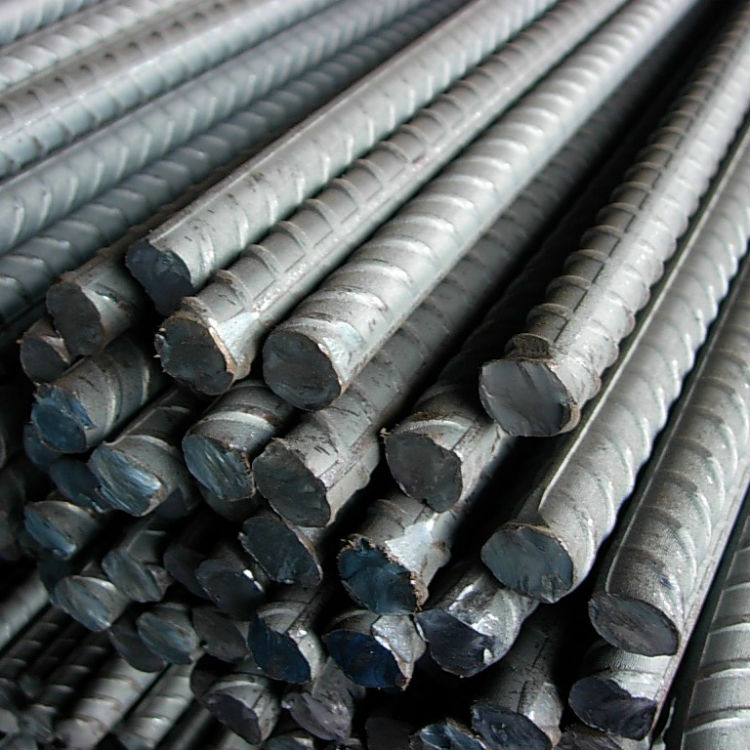
HTD bars are hot-rolled reinforcement steel bars with surface ribs designed to improve bonding with concrete. They are manufactured under controlled metallurgical processes to achieve high yield and tensile strength suitable for structural reinforcement in reinforced concrete (RC) members.
MS ROUND BAR (MILD STEEL ROUND BAR)
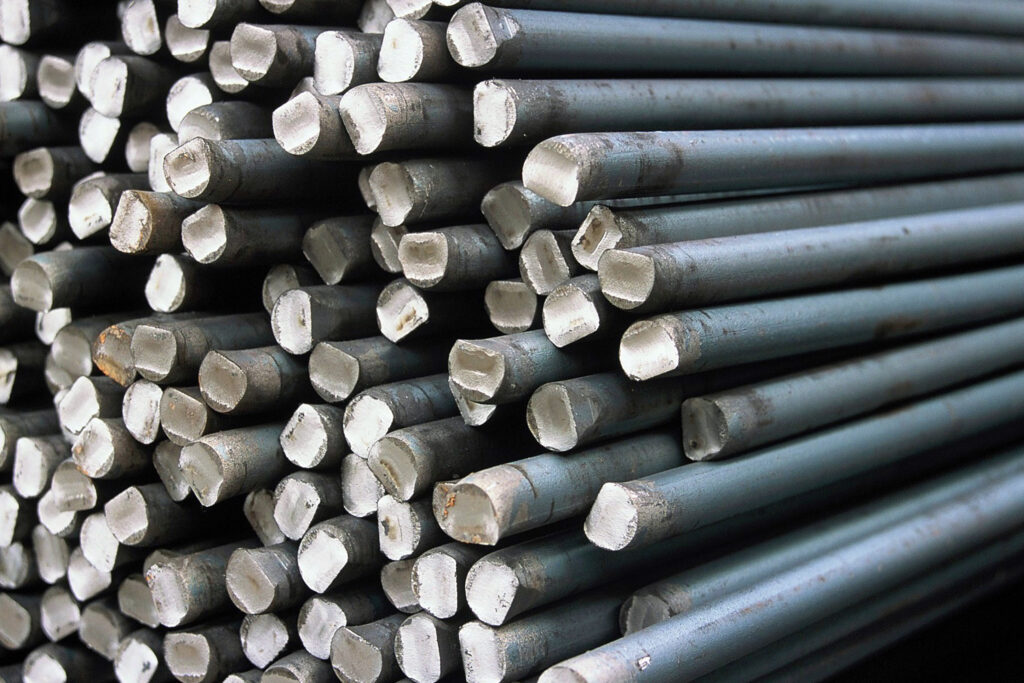
MS round bars are smooth, plain-section steel bars made from low-carbon mild steel. They are primarily intended for fabrication and machining works and are not designed to act as reinforcement in concrete structures.
2. MECHANICAL PROPERTIES COMPARISON
| Spec | HTD Bar (High Tensile) | MS Round Bar (Mild Steel) |
| Code / Symbol | Y or T (e.g., Y12, T16) | R (e.g., R6, R10) |
| Grade (Strength) | Grade 500 (500B) | Grade 250 (R250) |
| Yield Strength | 500 N/mm² (MPa) (Very Strong) | 250 N/mm² (MPa) (Half the strength) |
| Bending | Hard to bend. Need a machine or long pipe lever. If you bend it back and forth, it might snap. | Easy to bend. Very ductile. Can be bent by hand (for small sizes) or simple tools. |
| Common Sizes | 10mm, 12mm, 16mm, 20mm, 25mm, 32mm | 6mm (R6), 8mm, 10mm (rarely larger) |
HTD bars are specifically engineered to resist tensile stresses in concrete, while MS round bars focus on workability rather than structural performance.
3. BONDING BEHAVIOUR IN CONCRETE
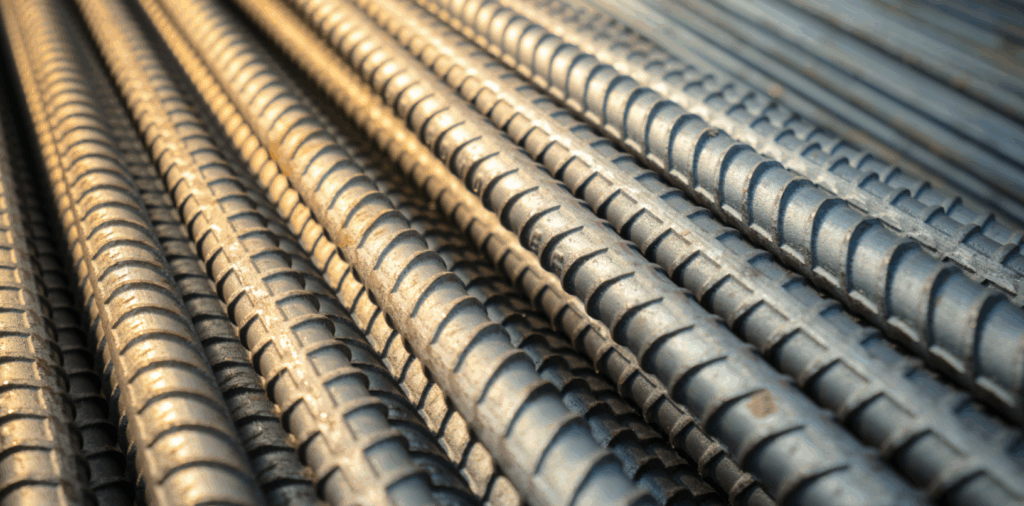
The ribbed surface of HTD bars provides mechanical interlock with concrete, ensuring efficient stress transfer and reducing the risk of slippage.
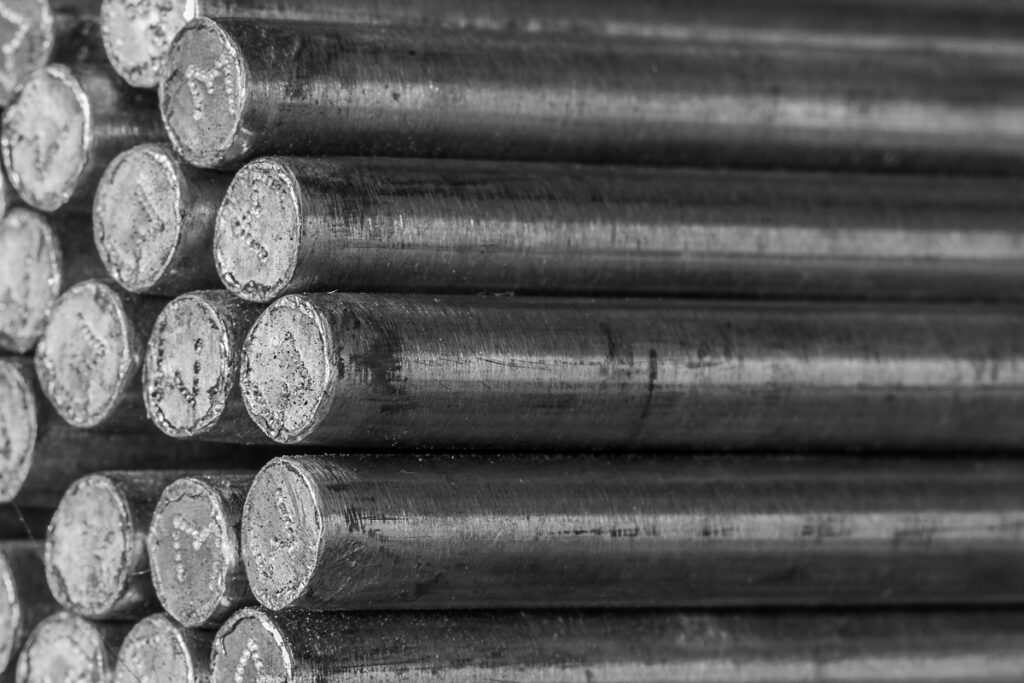
MS round bars, due to their smooth surface, have minimal bond strength when embedded in concrete. Without hooks, bends, or mechanical anchorage, they are prone to pull-out failure under load and are therefore unsuitable for primary reinforcement.
4. TYPICAL APPLICATIONS
HTD Bar
Reinforced concrete beams, columns, and slabs
- Foundations, footings, and retaining walls
- Infrastructure projects such as bridges and culverts
- Structural elements subjected to tensile loads
MS Round Bar
- Metal fabrication and welding works
- Gates, grills, railings, and frames
- Shafts, pins, brackets, and tie rods
- Temporary supports and non-structural uses
5. STANDARDS AND COMPLIANCE
HTD bars must comply with recognized reinforcement steel standards and are commonly supplied with:
- Grade identification
- Mill test certificates (MTC)
MS round bars follow general mild steel standards and do not qualify as reinforcement steel for structural concrete applications.
6. COST CONSIDERATION
- HTD Bar: Higher unit price, justified by higher strength and compliance. Allows reduction in steel quantity due to higher yield strength.
- MS Round Bar: Lower initial cost but unsuitable for structural use; misuse may lead to rejection by engineers or authorities and potential structural failure.
7. COMMON MISUNDERSTANDINGS
Misunderstanding 1: “MS round bar is stronger because it is thicker”
Strength is determined by material grade and yield strength, not just diameter. A thicker MS round bar can still be structurally weaker than a smaller HTD bar.
Misunderstanding 2: “MS round bar can replace HTD bar with more quantity”
Increasing quantity does not compensate for poor bonding and lower yield strength. Design codes do not allow substitution without engineering approval.
Misunderstanding 3: “HTD bar and MS round bar are both steel, so function is the same”
Although both are steel, their mechanical properties, surface profile, and intended function are fundamentally different.
Misunderstanding 4: “MS round bar is acceptable for small concrete works”
Even in small-scale structures, improper reinforcement can lead to cracking, slippage, and long-term durability issues.